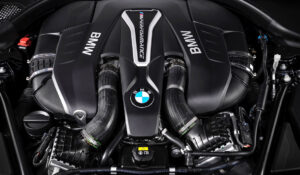
Your European car’s cooling system does more than keep the engine from overheating. On vehicles from BMW, Mercedes-Benz, Audi, and Porsche, the cooling system also regulates turbo temperatures, transmission fluid, and in some models, battery and electronics cooling. When it starts to fail, the warning signs are often subtle at first — and by the time the dashboard lights up, you may already be looking at a much bigger repair.
Here are five signs worth paying attention to, and why they matter more on a European vehicle than they might on a typical domestic car.
1. The temperature gauge creeps up in traffic
If your temperature needle climbs during stop-and-go driving but settles back down once you’re moving again, that’s a classic sign of a failing cooling fan, a weak water pump, or a radiator that isn’t flowing efficiently. European engines run tighter tolerances than most, so sustained heat soak can accelerate wear on gaskets and seals that are already expensive to replace.
2. Sweet-smelling steam or residue under the hood
Coolant has a distinct sweet smell, and a leak often shows up as light residue on hoses, the radiator, or the ground under the car before it ever triggers a warning light. On turbocharged European engines, a slow coolant leak can mean a cracked expansion tank, a failing water pump seal, or a degraded hose — all of which are far cheaper to fix now than after an overheat.
3. The heater blows cool air, even with the engine warm
Cabin heat comes from the same coolant loop as engine cooling. If you’re getting lukewarm or cool air with the engine fully warmed up, that’s often air trapped in the system, a failing thermostat, or low coolant level — not just a heater core issue. European vehicles with complex coolant routing for turbos and oil coolers are especially sensitive to trapped air after even a minor service.
4. A rising coolant level warning, even after a top-off
If you’ve topped off the coolant reservoir and the low-coolant warning comes back within days or weeks, there’s a leak somewhere in the system — even if you can’t see it. Small internal leaks (like a head gasket beginning to seep) won’t always show up as a puddle on the garage floor, which is exactly why they go unnoticed until the damage is more extensive.
5. Unusual noise from the water pump or fan
A high-pitched whine or grinding sound near the front of the engine, especially one that changes with engine speed, often points to a water pump bearing or an electric cooling fan on its way out. On many European models the water pump also drives other components, so a failure here can cascade into a much larger repair if it’s ignored.
Why it’s worth catching early
Cooling system issues rarely stay small on a European vehicle. A problem that starts as a $150 hose or sensor can turn into a cracked cylinder head or a damaged turbocharger if the engine overheats even once. If any of this sounds familiar, it’s worth having the system pressure-tested before your next road trip or Las Vegas summer.
If you’re noticing any of these signs, our European specialists can diagnose the exact cause and give you an honest, upfront estimate before any work begins. Schedule a cooling system inspection and we’ll get ahead of it before it becomes a bigger problem.
KEEP READING